

What Is a Restaurant Marketing Strategy?
📈A restaurant marketing strategy is your long-term game plan for reaching your ideal customers and achieving your business goals.
📊 It’s the ‘why’ and ‘what’ behind your marketing efforts, defining who you want to attract and how you will position your brand to stand out in a crowded market. It guides every decision you make, from your menu design to your social media posts.
Why a Solid Restaurant Marketing Strategy Matters
🎯Attract New Customers
A clear strategy makes you visible to the right people at the right time.
By understanding your audience and using the right channels, you move from hoping for footfall to proactively driving customer acquisition, ensuring a steady stream of new diners discovers your restaurant.
🔄 Increase Customer Retention
It's far more cost-effective to retain a customer than to acquire a new one.
A good strategy focuses on building loyalty through personalised communication, reward programmes, and exceptional experiences, turning first-time visitors into valuable, long-term regulars.
💰Lower Marketing Costs Over Time
A scattergun approach to marketing is expensive and inefficient.
A focused strategy allows you to invest your budget in the channels that deliver the best return on investment (ROI), reducing wasted spend and making your marketing more effective and profitable over time.
15 Proven Restaurant Marketing Strategy Examples
1. Google Business Profile Optimisation
Your Google Business Profile (GBP) is your most important digital asset for attracting local customers. It’s the information panel that appears in Google Search and Maps when someone looks for you or for restaurants "near me."
A fully optimised profile acts as a powerful, free marketing tool that provides diners with all the information they need to make a decision and book a table directly.
- Steps to Implement It:
- Claim and Verify Your Profile: Ensure you have full ownership of your listing.
- Complete Every Section: Fill out your business hours, address, phone number, website, attributes (e.g., "outdoor seating"), and a compelling description using your keywords.
- Upload High-Quality Photos: Regularly add professional photos of your food, interior, and exterior.
- Actively Collect and Respond to Reviews: Encourage happy customers to leave reviews and respond to every single one, both positive and negative.
- Use the 'Updates' and Q&A Features: Post about special offers or events and answer common customer questions.
KPIs to Track:
-
- Profile Views: How many times your profile has been seen. This is a measure of your visibility.
- Direction Requests: The number of people who have clicked to get directions to your restaurant. This is a strong indicator of intent to visit.
- Website Clicks and Phone Calls: The number of direct actions taken from your profile. These are valuable conversions.
|
✨Why It Works✨ |
|---|
|
It captures high-intent customers at the exact moment they are searching for a place to eat in your local area, driving direct footfall and bookings. |
2. Social Media Paid Ads (Facebook & Instagram)
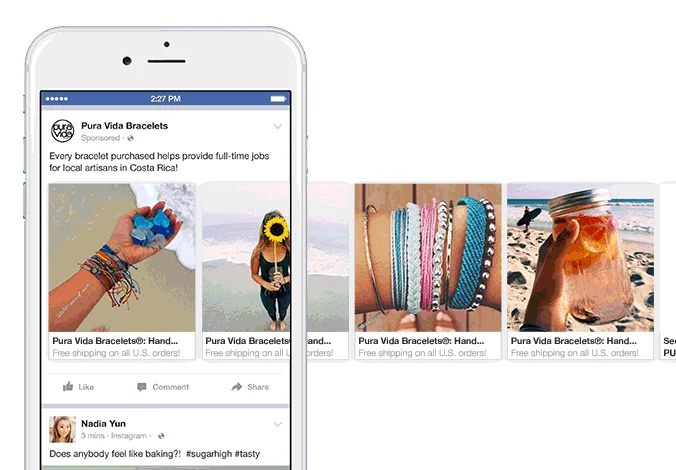
While organic social media is great for engagement, paid ads on platforms like Facebook and Instagram allow you to reach a highly specific and relevant local audience.
You can target users based on their location, age, interests (like "fine dining" or "vegan food"), and even their past interactions with your page, making it a cost-effective way to promote your restaurant.
- Steps to Implement It:
- Define Your Objective: Decide what you want to achieve (e.g., increase bookings, promote a special offer, build brand awareness).
- Target Your Audience: Use Meta's powerful targeting tools to define your ideal customer based on location, demographics, and interests.
- Create Compelling Visuals: Use high-quality, mouth-watering photos or short videos of your food and restaurant.
- Write a Clear Call-to-Action (CTA): Tell users exactly what you want them to do, such as "Book Your Table Now" or "View Our New Menu."
- Set a Budget and Monitor: Start with a small daily budget (£5-£10) and track your results, adjusting your campaign as you learn what works.
- KPIs to Track:
- Reach and Impressions: The number of people who saw your ad. This measures brand awareness.
- Click-Through Rate (CTR): The percentage of people who clicked on your ad. This shows how compelling your ad is.
- Cost Per Result: The amount you spent for each desired action (e.g., cost per booking or link click). This measures efficiency.
|
✨Why It Works✨ |
|---|
|
It allows you to proactively reach a hyper-targeted local audience of potential diners, rather than waiting for them to find you, delivering a measurable return on investment. |
3. Influencer or Micro-Creator Partnerships
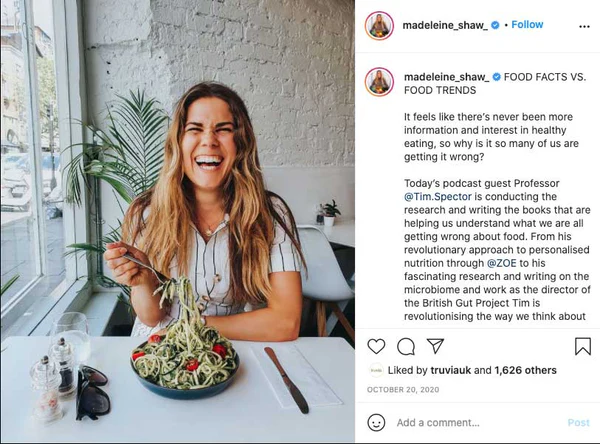
Collaborating with local food bloggers, Instagrammers, or TikTok creators is a form of modern word-of-mouth. An authentic review from a trusted creator can be more powerful than traditional advertising. Micro-influencers (typically with 1,000-10,000 followers) are often the best choice as they tend to have a highly engaged and loyal local following.
- Steps to Implement It:
- Identify Relevant Creators: Search for hashtags related to your city's food scene (e.g., #manchesterfoodie) to find active local influencers.
- Reach Out with a Personalised Offer: Send them a direct message or email, explaining why you think they'd love your restaurant, and invite them for a complimentary meal.
- Be Clear on Expectations (but not controlling): Agree on the deliverables (e.g., one feed post and three stories) but give them creative freedom to ensure the review feels authentic to their audience.
- Engage with Their Content: When they post, share it on your own channels and thank them in the comments.
- KPIs to Track:
- Engagement Rate on the Post: Likes, comments, and shares on the influencer's post show how well it resonated with their audience.
- Referral Traffic: If possible, provide a unique discount code or trackable link to see how many people visit or book from their post.
- Mentions and New Followers: Track the increase in your own brand mentions and followers in the days following the post.
|
✨Why It Works✨ |
|---|
|
It leverages the power of social proof. A recommendation from a trusted third party is perceived as more genuine and influential than a direct advertisement from the restaurant itself. |
4. Loyalty Programme With Rewards
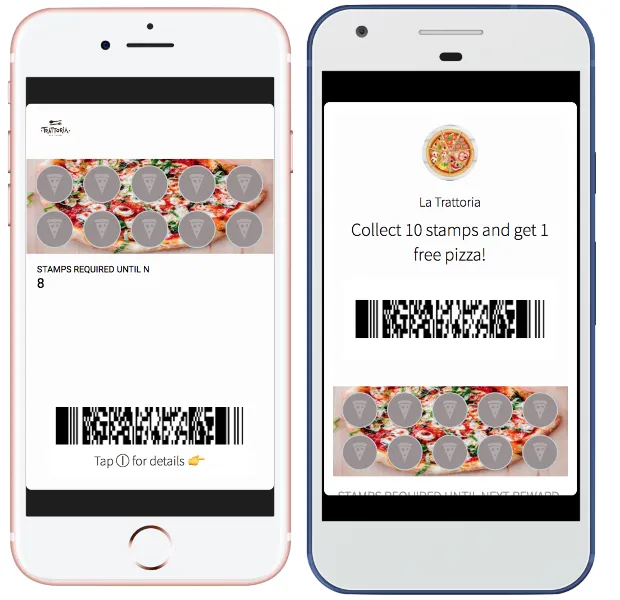
A loyalty programme is a structured marketing strategy designed to encourage customers to return.
By rewarding repeat business, you increase customer lifetime value and build a community of loyal fans who are less sensitive to price and more likely to recommend you to others. It’s a direct incentive for customers to choose you over a competitor.
- Steps to Implement It:
- Choose a Simple System: Start with something easy to manage, like a physical stamp card or a simple digital loyalty app.
- Offer an Achievable and Appealing Reward: The reward should be valuable enough to motivate customers (e.g., a free dessert, a main course, or a significant discount).
- Promote the Programme In-House: Train your staff to offer the loyalty programme to every customer at the point of payment.
- Make It Easy to Participate: The process for signing up and redeeming rewards should be as frictionless as possible.
- KPIs to Track:
- Programme Sign-Up Rate: The percentage of customers who join the programme. This measures its initial appeal.
- Redemption Rate: The percentage of rewards that are claimed. A high rate shows customers find the reward valuable.
- Return Customer Rate: The most important KPI. Track if your percentage of repeat customers increases after launching the programme.
|
✨Why It Works✨ |
|---|
|
It taps into basic human psychology. People love to feel valued and work towards a goal. A loyalty programme gamifies the dining experience and provides a tangible reason to return. |
5. Email Marketing Automation for Regulars
Email marketing is your direct line to your most valuable guests. Automation allows you to send personalised, timely messages without manual effort. By setting up automated "drip campaigns," you can nurture customer relationships, drive repeat visits, and stay top-of-mind.
- Example Subject Lines:
- "Happy Birthday from [Your Restaurant]! A Treat Is Waiting for You..."
- "We Miss You! Here’s 15% Off Your Next Visit."
- "Thanks for Dining with Us! How Was Your Experience?"
- Steps to Implement It:
- Build Your Email List: Collect email addresses and marketing consent during the booking process or via a sign-up form on your website.
- Segment Your Audience: Create different lists for new customers, regulars, and lapsed customers.
- Set Up Automated Workflows: Create a 'Welcome' email for new subscribers, a 'Birthday' email with a special offer, and a 'Win-back' campaign for customers who haven't visited in a while.
- Provide Value: Ensure every email offers something valuable, whether it's a discount, a piece of news, or an invitation to an event.
- KPIs to Track:
- Open Rate: The percentage of recipients who opened your email. This measures the effectiveness of your subject line.
- Click-Through Rate (CTR): The percentage who clicked a link in your email. This shows how compelling your content and offer are.
- Conversion Rate: The percentage of email recipients who went on to make a booking. This is the ultimate measure of ROI.
|
✨Why It Works✨ |
|---|
|
It delivers a highly personalised message at the perfect moment, making the customer feel seen and valued. This deepens the relationship far beyond a single transaction. |
6. Seasonal or Holiday Promotions
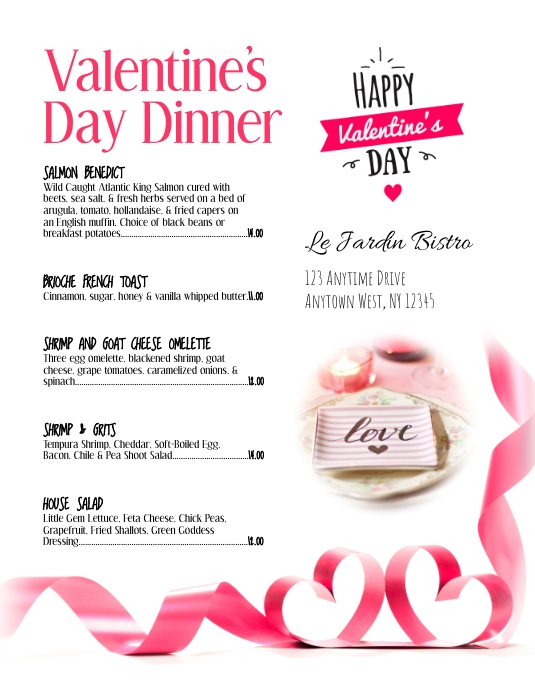
This strategy involves creating special menus, offers, or events around key dates in the calendar.
It allows you to tap into existing consumer spending habits and gives you a fresh angle for your marketing. A well-executed seasonal campaign can create buzz and drive significant revenue during traditionally busy periods.
- Steps to Implement It:
- Plan Your Calendar in Advance: Identify key holidays and seasons relevant to your restaurant (e.g., Valentine's Day, Mother's Day, Christmas, Summer).
- Create a Compelling Offer: Develop a unique set menu, a special cocktail, or a promotional package that feels special and exclusive to the occasion.
- Promote Across All Channels: Announce your seasonal offer on your website, social media, and email newsletter well in advance.
- Use Themed Decor: Enhance the in-restaurant experience with decorations that match the seasonal theme.
- KPIs to Track:
- Booking Volume: The number of covers booked specifically for the promotion.
- Average Spend: Compare the average check size during the promotion to your normal average.
- Social Media Engagement: Track the likes, comments, and shares on your promotional posts.
|
✨Why It Works✨ |
|---|
|
It gives customers a timely and compelling reason to celebrate at your restaurant, tapping into existing demand and creating a sense of occasion that justifies a higher spend. |
7. User-Generated Content (UGC) Campaigns
User-generated content is any form of promotion (photos, videos, reviews) created by your customers. A UGC campaign actively encourages this behaviour, turning your diners into an army of authentic marketers. It's powerful because recommendations from peers are trusted far more than brand advertising.
- Example Hashtag Challenge: A burger restaurant could launch the #MyBurgerBuild challenge, asking customers to post a photo of their custom burger creation for a chance to win a £100 voucher and have their build featured on the menu.
- Steps to Implement It:
- Create a Simple, Memorable Hashtag: Make it unique to your brand and easy to spell.
- Define a Clear Incentive: Offer a prize that is genuinely motivating, like a significant voucher, a free meal for two, or a unique experience.
- Promote the Campaign Everywhere: Announce the campaign on your social media, on your menus, and with table tents in the restaurant.
- Engage and Share: Actively like, comment on, and share every entry to encourage more participation.
- Celebrate the Winner: Make a big announcement celebrating the winner to conclude the campaign and thank everyone for participating.
- KPIs to Track:
- Hashtag Usage: The total number of posts using your campaign hashtag. This measures the campaign's reach.
- Engagement Rate: The total engagement across all campaign-related posts.
- Website Traffic/Bookings: Track if there is a noticeable uplift in traffic or bookings during the campaign period.
|
✨Why It Works✨ |
|---|
|
It leverages authenticity and social proof. When potential customers see real people enjoying your restaurant, it builds trust and creates a powerful desire to experience it for themselves. |
8. Local SEO Optimisation & Review Strategy
Local SEO is the practice of optimising your online presence to be found in local searches.
Beyond your GBP, this involves ensuring your restaurant's name, address, and phone number (NAP) are consistent across all online directories, and that your website is optimised for local keywords. A key part of this is actively managing your online reviews.
- Steps to Implement It:
- Conduct a NAP Audit: Search for your restaurant online and ensure your core details are identical everywhere (your website, Google, Facebook, TripAdvisor, etc.).
- Optimise Your Website: Create pages on your website that target local keywords, such as "best Sunday roast in Islington" or "dog-friendly pub in Brighton."
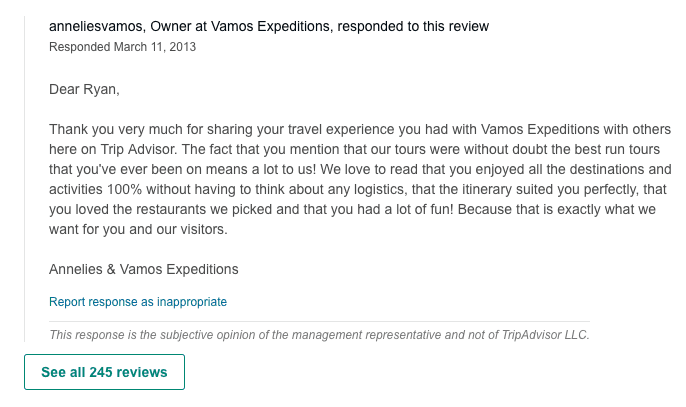
- Develop a Review Strategy: Actively ask happy customers to leave a review. You can do this verbally at the end of a meal or with a subtle QR code on the receipt.
- Respond to All Reviews: Dedicate time each week to respond to new reviews, thanking positive reviewers and professionally addressing any negative feedback.
- KPIs to Track:
- Keyword Rankings: Your position in Google for your main local keywords. Tools like SEMrush can track this.
- Average Star Rating: Your overall rating on key platforms like Google and TripAdvisor.
- Volume of New Reviews: The number of new reviews you are generating each month.
|
✨Why It Works✨ |
|---|
|
It builds trust and authority with both customers and search engines. A consistent online presence and a strong portfolio of positive reviews are powerful signals that you are a reputable and popular local business. |
9. Menu Engineering + Photo Optimisation
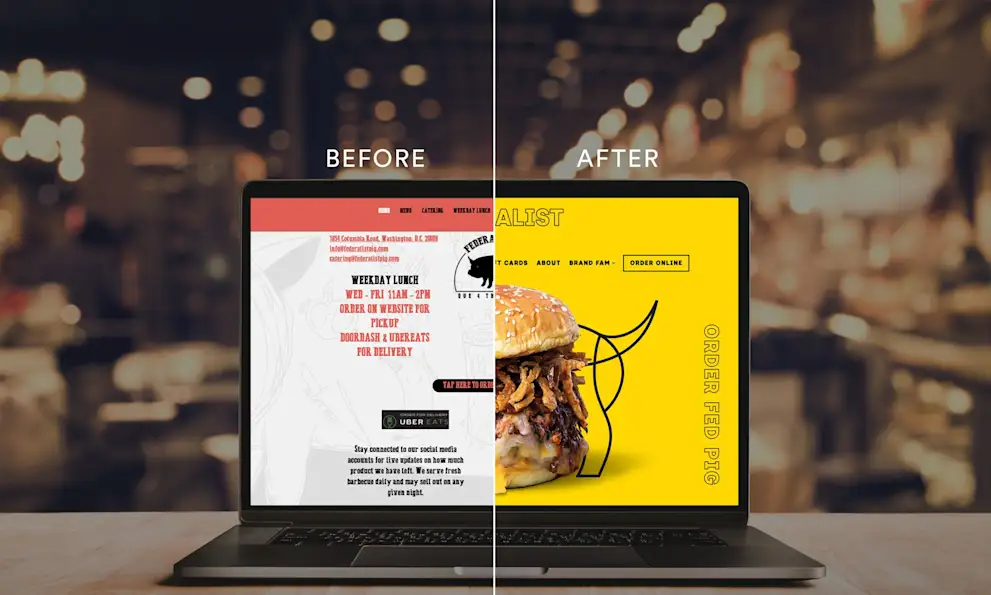
Menu engineering is the science of designing your menu to guide customers towards your most profitable items.
It involves analysing the popularity and profitability of each dish and using layout, design, and descriptions to influence choices. This is amplified by optimising your food photography, as great photos can significantly increase the sales of a dish.
- Steps to Implement It:
- Analyse Your Menu: Categorise each dish into one of four quadrants: Stars (high profit, high popularity), Plowhorses (low profit, high popularity), Puzzles (high profit, low popularity), and Dogs (low profit, low popularity).
- Redesign Your Layout: Place your 'Stars' in the prime real estate of the menu (e.g., the top right corner).
- Rewrite Descriptions: Use enticing, descriptive language for the items you want to sell more of.
- Invest in Professional Photography: Get high-quality photos of your 'Stars' and 'Puzzles' to use on your menu, website, and social media.
- KPIs to Track:
- Item Sales Mix: The number of each menu item sold over a period. Track if sales of your 'Stars' increase.
- Food Cost Percentage: A well-engineered menu should help lower your overall food cost percentage.
- Average Check Size: A successful menu redesign should lead to an increase in the average amount spent per customer.
|
✨Why It Works✨ |
|---|
|
It uses proven psychological principles to subtly guide customer choices, allowing you to sell more of what makes you the most money, directly improving your profitability without raising all prices. |
10. Restaurant Events & Community Nights
Hosting events turns your restaurant into a community hub and gives people a reason to visit outside of a standard meal.
Events can fill your restaurant on typically quiet nights, generate buzz, and create unique experiences that people will talk about and share online.
- Real-Life Example: A local wine bar in Bristol could host a "Meet the Winemaker" evening with a vineyard from Somerset, offering a ticketed five-course tasting menu where each course is paired with a different wine.
- Steps to Implement It:
- Brainstorm Ideas that Fit Your Brand: Think about what your customers would love. Could you run a quiz night, a live acoustic music session, or a guest chef collaboration?
- Plan the Logistics: Set a date, a price (if ticketed), and plan the menu or activity.
- Promote Heavily: Create an event on Facebook, promote it on your social media channels, and send an invitation to your email list.
- Create a Great Experience: Ensure the event runs smoothly and is a memorable experience for everyone who attends.
- KPIs to Track:
- Ticket Sales/Bookings: The most direct measure of the event's popularity.
- Average Spend per Head: Track food and drink sales during the event.
- Social Media Mentions: Monitor how many people are posting about your event.
|
✨Why It Works✨ |
|---|
|
It creates a unique selling proposition and a sense of occasion. People are not just paying for food; they are paying for a memorable experience, which often justifies a higher price point. |
11. Collaborations With Local Businesses
Partnering with other non-competing local businesses is a powerful and low-cost marketing strategy.
It allows you to tap into their established customer base, build goodwill in your community, and create cross-promotional offers that benefit everyone involved.
- Example: A restaurant could partner with a nearby theatre to offer a 15% discount to ticket-holders for a pre-show dinner. The theatre promotes the restaurant to its audience, and the restaurant promotes the theatre to its diners.
- Steps to Implement It:
- Identify Potential Partners: Look for businesses that share your target audience, such as local hotels, boutique shops, gyms, or cultural venues.
- Develop a Mutually Beneficial Offer: Create a simple, clear offer. For example, hotel guests get a complimentary drink at your restaurant.
- Create Co-Branded Materials: Produce simple flyers or digital assets that both businesses can use to promote the partnership.
- Track the Results: Use a special code or ask customers to show a keycard/ticket to track how many people are using the offer.
- KPIs to Track:
- Number of Redemptions: The total number of customers who use the collaborative offer. This directly measures its success.
- Referral Traffic: Track if the partnership drives traffic to your website.
- New Customer Acquisition: Survey new customers to see how they heard about you.
|
✨Why It Works✨ |
|---|
|
It's a warm introduction. A recommendation from another trusted local business is far more powerful than a cold advertisement, and it shows that you are an active part of the local community. |
12. SMS Marketing & Flash Offers
SMS (text message) marketing has an incredibly high open rate - often over 95% according to SAP.
This makes it the perfect channel for time-sensitive, high-urgency promotions, known as "flash offers." It’s a direct and immediate way to drive footfall on a quiet evening.
- Example Message: "Slow Tuesday? We can fix that! Show this text tonight at [Your Restaurant] to get 2-for-1 on all main courses. Offer valid today only. Book now: [link]"
- Steps to Implement It:
- Build Your SMS List (with consent): Collect mobile numbers and explicit marketing consent during the booking process or via a sign-up form.
- Choose an SMS Platform: Use a GDPR-compliant SMS marketing tool.
- Craft a Short, Compelling Offer: Keep your message concise, create a sense of urgency (e.g., "tonight only"), and include a clear call-to-action.
- Send Strategically: Don't overuse it. Send flash offers sparingly to fill a specific, quiet service period.
- KPIs to Track:
- Click-Through Rate (CTR): The percentage of recipients who clicked the booking link in your message.
- Redemption Rate: The number of people who actually used the offer.
- Unsubscribe Rate: Keep an eye on this to ensure you are not sending messages too frequently.
|
✨Why It Works✨ |
|---|
|
It cuts through the noise. A text message feels personal and urgent, prompting an immediate response in a way that an email or social media post might not. |
13. Referral Rewards for Customers
A referral programme incentivises your existing customers to become brand advocates by rewarding them for bringing in new business. It formalises word-of-mouth marketing, turning your happiest diners into your most effective (and cheapest) sales team.
- Example: "Love our food? Share it! Give your friend 20% off their first visit, and we'll give you 20% off your next one."
- Steps to Implement It:
- Create a Simple, Two-Sided Offer: The offer should benefit both the referrer and the new customer.
- Use Unique Codes or Links: Provide customers with a unique code or link to share, so you can track who is referring whom.
- Promote the Programme: Announce the referral programme to your existing customers via email and in-house signage.
- Automate the Reward: Use a digital system to automatically apply the reward to the referrer's account once their friend has dined.
- KPIs to Track:
- Number of Referrals: The total number of new customers brought in through the programme.
- Conversion Rate: The percentage of referred friends who actually make a booking.
- Cost Per Acquisition (CPA): The cost of the rewards divided by the number of new customers acquired.
|
✨Why It Works✨ |
|---|
|
It is built on trust. A direct recommendation from a friend is the most powerful form of marketing there is, and this strategy systematically encourages and rewards that behaviour. |
14. TikTok & Reels Short-Video Marketing
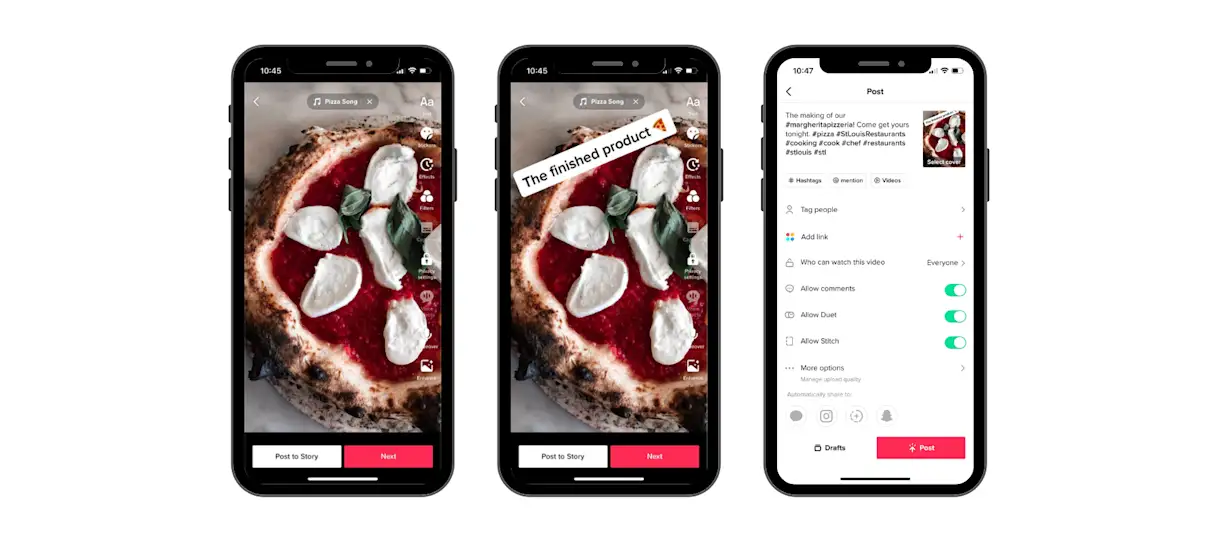
Short-form video content on platforms like TikTok and Instagram Reels is essential for reaching a modern audience.
These videos are not about polished advertisements; they are about showcasing your restaurant's personality, authenticity, and creating fun, shareable content that can go viral.
- Steps to Implement It:
- Focus on Authenticity, Not Perfection: Use your phone to capture real, behind-the-scenes moments.
- Showcase Your Process: Create satisfying videos of a cocktail being made, a pizza being stretched, or a dessert being plated.
- Introduce Your Team: Let your staff's personalities shine. A short, funny clip can be more engaging than a perfect food photo.
- Use Trending Sounds and Formats: Keep an eye on what's trending on the platform and think about how you can adapt it to your restaurant.
- KPIs to Track:
- Views and Watch Time: The total number of views and how long people are watching your videos for.
- Shares and Saves: These are strong indicators that your content is resonating with viewers.
- Follower Growth: Track how your video content is contributing to the growth of your audience.
|
✨Why It Works✨ |
|---|
|
It allows you to tell a story and show your brand's personality in a way that static photos cannot. It builds an emotional connection and makes your restaurant feel more human and approachable. |
15. Table Management + Booking Optimisation
This strategy focuses on using technology to maximise the revenue from your existing space and demand.
Modern reservation systems do more than just take bookings; they are powerful tools for optimising your entire operation. This includes features like automated confirmations to reduce no-shows, real-time table updates for your front-of-house team, and detailed analytics to help you understand your busiest periods. By efficiently managing your floor plan and controlling the pace of bookings, you can increase your overall occupancy and serve more guests without overwhelming your kitchen or staff.
A comprehensive platform like TheFork Manager integrates all these elements. It not only provides the tools to manage your tables and reduce no-shows with deposits and reminders, but it also connects you to a vast marketplace of diners, actively helping you fill your tables and providing the analytics you need to make smarter decisions.
- Steps to Implement It:
- Choose TheFork Manager: Our system offers a digital floor plan, pacing controls, and guest data collection.
- Set Up Automated Communications: Activate automated email and SMS confirmations and reminders for all bookings.
- Implement a No-Show Policy: Use TheFork Manager to take deposits or capture credit card details for key booking times.
- Analyse Your Booking Data: Regularly review your analytics to identify booking patterns and optimise your availability.
- KPIs to Track:
- Table Turnover Rate: The number of times a table is used by different parties during a service.
- No-Show Rate: The percentage of bookings that do not show up.
- Occupancy Rate: The percentage of your available seats that are filled during a service.
|
✨Why It Works✨ |
|---|
|
TheFork Manager transforms your reservation system from a passive tool into an active revenue management engine, allowing you to make data-driven decisions that directly increase efficiency and profitability. |
How to Build a Restaurant Marketing Strategy Step by Step
.jpg?width=1500&height=1646&name=21_OPT_UK_Creating_a_Restaurant_infografica1%20(1).jpg)
Analyse Your Current Customer Base
Start by understanding who your best customers are. Use data from your booking system and POS to identify their demographics, booking habits, and average spend. Create 2-3 simple customer personas that represent your ideal diners.
Choose the Most Effective Channels
You can't be everywhere at once. Based on your customer personas, choose the 3-4 marketing channels where you will focus your efforts.
This could be a mix of SEO, social media (e.g., Instagram), influencer outreach, email marketing, and a marketplace like TheFork Manager.
Define Clear & Measurable Goals
What do you want to achieve? Set SMART goals (Specific, Measurable, Achievable, Relevant, Time-bound). For example, "Increase weekday lunch bookings by 20% in the next quarter" is a much better goal than "get busier."
Plan Content & Promotions Monthly
Use a simple calendar to plan your marketing activities. Decide on your key promotions or themes for each month (e.g., a Burns Night special in January, a Valentine's menu in February) and then plan your social media posts and emails around them.
Measure Results & Adjust
Regularly track your key KPIs. At the end of each month, review what worked and what didn't. Be prepared to adjust your strategy based on the data. If your Instagram ads are driving lots of bookings, allocate more budget there. If an offer isn't working, try something new.
Restaurant Marketing Channels (Short Overview)
💻Digital Marketing Channels
These channels allow you to reach customers online. Key examples include your own Website, SEO, Google Ads, social media (organic and paid), and listing on a booking platform like TheFork Manager.
🤝Offline Marketing Channels
There are traditional marketing methods that happen in the physical world. This includes local print advertising, flyers, building partnerships with other local businesses, and hosting in-restaurant events.
Why Restaurants Choose TheFork Manager for Marketing
While many tools offer one piece of the puzzle, TheFork Manager is a comprehensive ecosystem designed to support your entire marketing strategy. Its unique value comes from combining a powerful, in-house management system with the unparalleled marketing reach of TheFork's marketplace.
This means you get the tools to manage your direct bookings efficiently, while also tapping into a huge community of food lovers actively looking to book a table.
Key features that support your marketing include digital booking channels, sponsored visibility options to stand out, deep analytics and insights, integrated email/SMS tools, and constant exposure on TheFork app.
Empty tables and ever-increasing costs?

FAQ About Restaurant Marketing Strategy
What Is a Restaurant Marketing Strategy?
A restaurant marketing strategy is your high-level plan for how you will reach your target audience, communicate your brand's unique value, and achieve your business goals.
What Are the Best Marketing Strategies for Restaurants?
The best strategies are a mix of digital and offline tactics. Key examples include optimising your Google Business Profile, using social media marketing, building an email list, and running seasonal promotions.
How Do I Create a Restaurant Marketing Plan?
You create a plan by following a structured process: analyse your market and audience, set clear goals, choose your marketing channels, determine your budget, and plan your campaigns and content in a calendar.
What Is the Most Effective Way to Promote a Restaurant?
The most effective way is to have a strong online presence, especially a highly-rated Google Business Profile, as this is where most diners begin their search. This should be supported by engaging social media and positive word-of-mouth.
How Can Restaurants Attract More Customers?
Restaurants can attract more customers by increasing their online visibility (through SEO and platforms like TheFork), running targeted social media ads, partnering with local influencers, and creating compelling special offers.
What Are Examples of Digital Marketing for Restaurants?
Examples include search engine optimisation (SEO), social media marketing (Instagram, Facebook), email marketing campaigns, paid advertising (Google Ads), and influencer marketing.
How Much Should a Restaurant Spend on Marketing?
According to our research, a common benchmark is 3-6% of your total revenue. However, a new restaurant may need to spend more (10-15%) in its first year to build awareness.
Do Small Restaurants Need Formal Marketing Strategies?
Yes, absolutely. A formal strategy, even a simple one, helps a small restaurant focus its limited time and budget on the activities that will have the biggest impact, rather than trying to do everything at once.
What Is the Best Social Media Channel for Restaurants?
For most restaurants, Instagram is the best channel due to its highly visual nature, which is perfect for showcasing food and atmosphere. Facebook is also essential for reaching a broad local audience.
How Do Restaurants Measure Marketing Success?
Success is measured by tracking Key Performance Indicators (KPIs). The most important ones are the number of bookings, the source of those bookings, the return on ad spend (ROAS), and the growth in your rate of repeat customers.